[email protected]
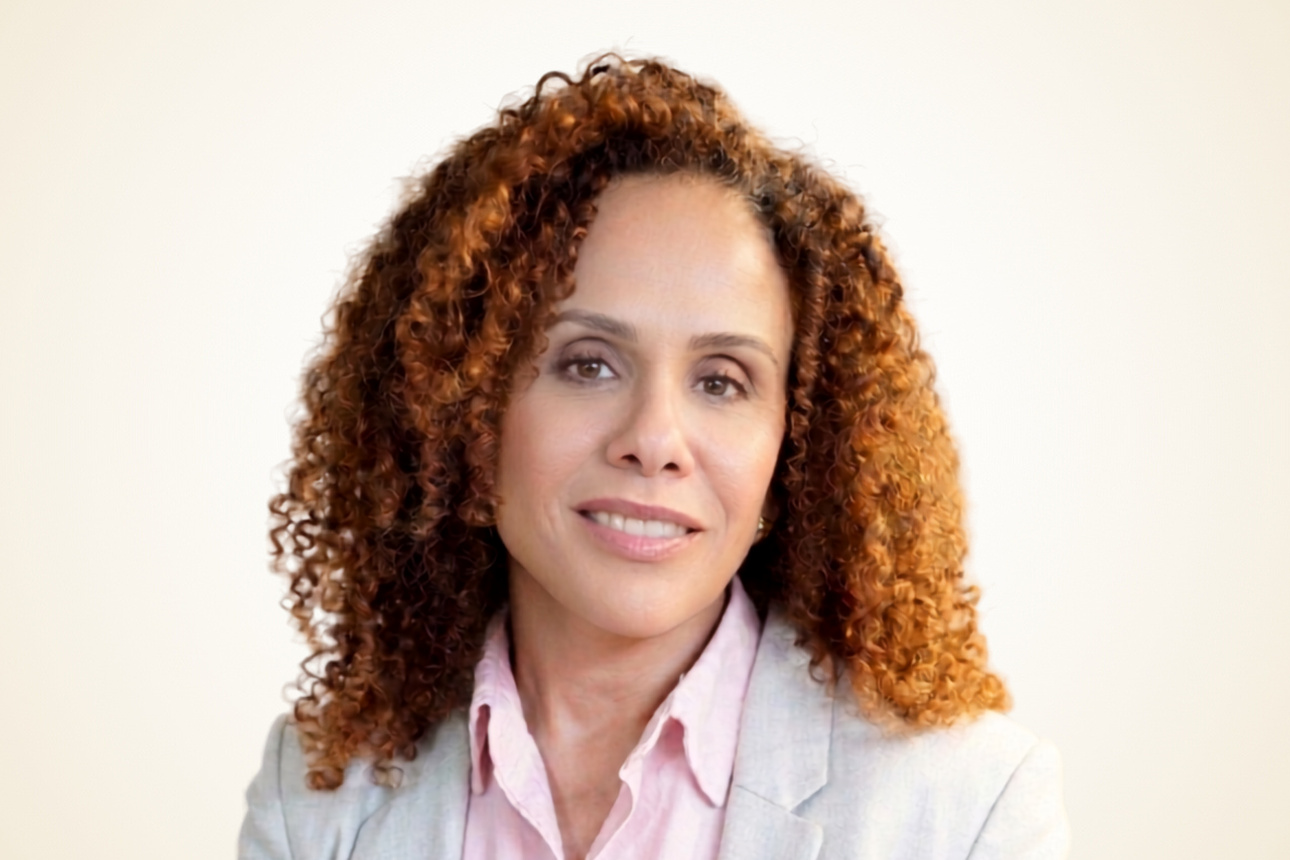
Dr. Manal Hreib is an applied policy researcher specializing in the development, design, and impact evaluation of social interventions and public policy. Her work emphasizes effectiveness, the reduction of social gaps, and evidence-based decision-making.
In recent years, her research has focused on the intersections of employment, De-securitization, civil defense, and emergency preparedness within the Bedouin society in the Negev. She has extensively studied the fragility of shared Jewish-Arab workspaces within healthcare organizations and conducted R&D for programs targeting "NEET" (Not in Education, Employment, or Training) youth in the Negev. Dr. Hreib is an expert in building knowledge infrastructures and translating complex research findings into practical, actionable policy tools.
Research & Leadership Experience: Dr. Hreib has led large-scale research teams across a variety of organizations. Notably, she managed the Research Center on Bedouin Society in the Negev and spearheaded the most comprehensive data project on this population to date, which culminated in the publication of the 2024 Statistical Yearbook of the Bedouin Society in the Negev.
Consultancy & Strategic Advisory: Alongside her academic work, she serves as a Senior Researcher and Consultant for intervention programs. She provides strategic counsel to leading organizations including The Abraham Initiatives, The Galilee Society, aChord Center, and Itach-Ma’aki (Be-Atzmi) focusing on knowledge infrastructure development and data-driven policy design.
Academic Background:
- Ph.D. in Industrial Engineering and Management (The Faculty of Data and Decision Sciences), the Technion – Israel Institute of Technology. Her doctoral research evaluated the effectiveness of surveillance technology as a tool for public policy and enforcement.
- M.A. in Educational Administration, the University of Haifa. Her thesis explored organizational learning within multi-cultural contexts.
Photo: Habib Saman