

Inequality in the “Target Price Program” Housing Lotteries
Research into the government's key discounted housing program, which takes place through national lottery rounds, finds shifting patterns of the government's prioritization by geography and population group.
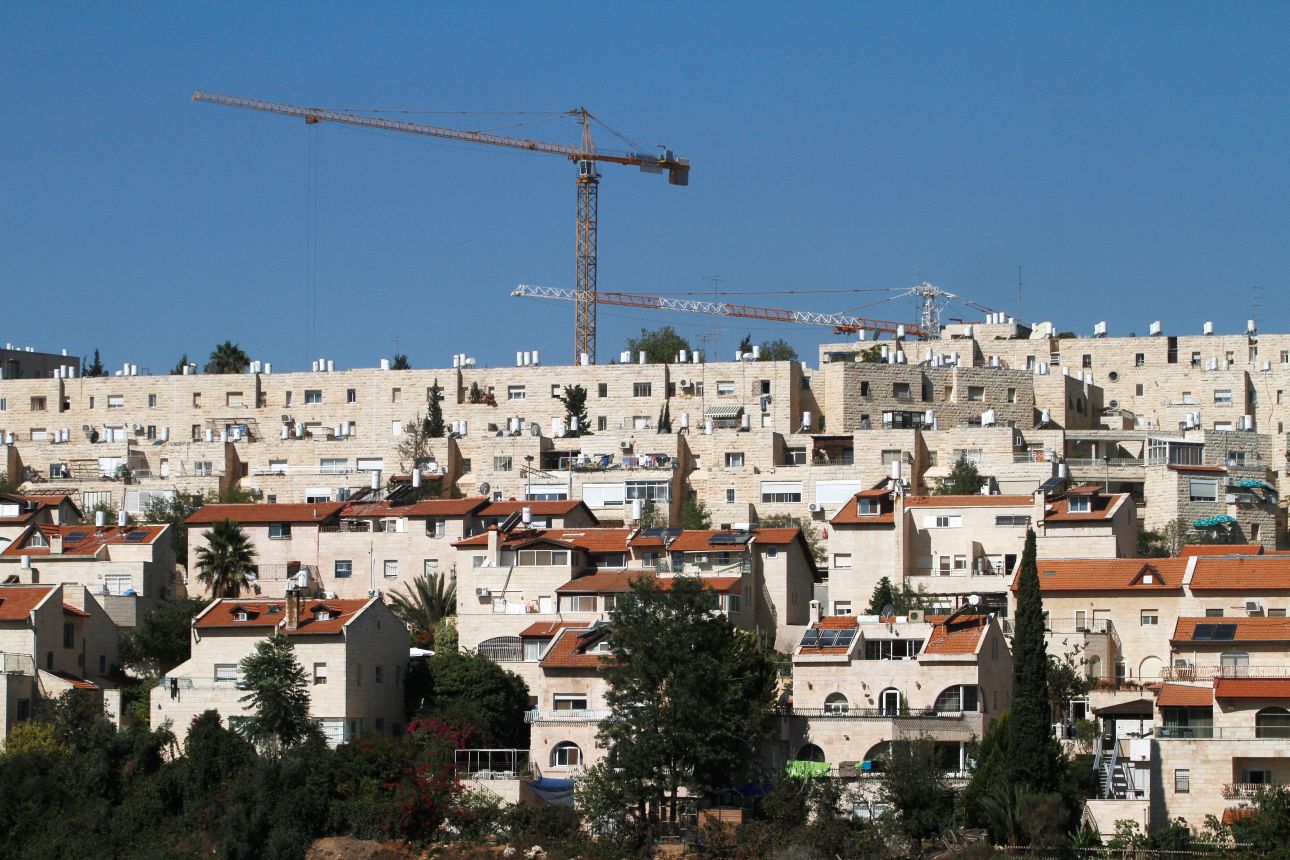
Photo by Uri Lenz / Flash90
Background
The Target Price Program
The government's “Target Price” program is one of the central components of a government initiative in Israel to offer housing discounts. Within this framework, the state markets land to developers at reduced prices and in return, developers sell housing units at prices significantly below prevailing market rates.
The program’s declared goals are socio-economic: to enable young couples and families to purchase housing at attainable prices and to encourage residential development in Israel's periphery.
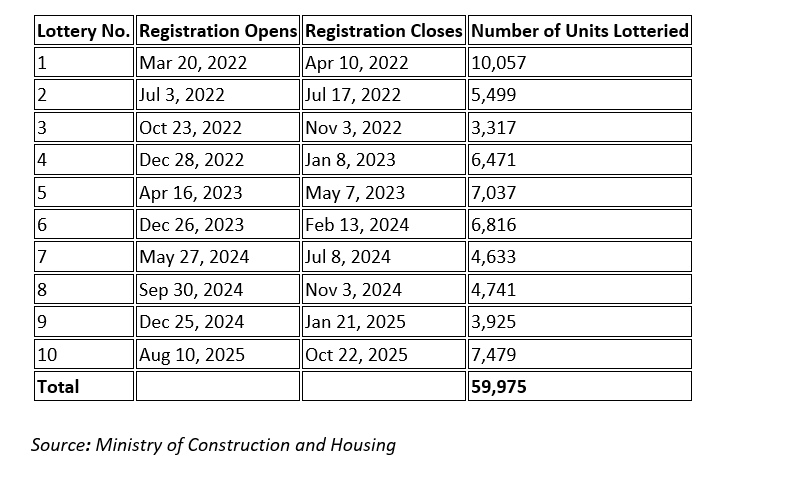
Between 2022 and 2025, ten national lottery rounds allocated approximately 60,000 discounted housing units across dozens of localities in Israel.
How the Lottery Mechanism Operates
Because demand far exceeds supply, allocation of discounted units is conducted through national lotteries.
Each lottery round includes specific cities and developments. Eligible applicants register for particular developments. Within each development, units are divided into defined allocation categories:
- Local residents
- Persons with severe disabilities
- General applicants
- Beginning with Lottery 7 in 2024: Reserve soldiers
- Beginning with Lottery 10 in 2025: Combat reservists
Each category receives a designated share of housing units and is subject to a separate draw. Reserve soldiers may also register in the general category or as local residents (if eligible), thereby increasing their chances of winning.
As the number of applicants greatly exceeds the number of units, only a small proportion of registrants ultimately receive apartments.
The study also notes a broader structural implication: although winners receive substantial financial benefits, the removal of thousands of units from the open market reduces supply for "non-winners." Given persistent demand, this dynamic may contribute to rising prices for the majority of prospective buyers who do not win.
“Target Price” Program – Registration Opening and Closing Dates and Number of Units Lotteried (2022–2025)
Objectives of the Study
The research examines two central dimensions:
- Whether Haredi (ultra-Orthodox), Arab, and general populations are proportionally represented in the geographic distribution of lottery units.
- Whether the allocation of units to reserve soldiers was implemented in a manner consistent with the stated objective of supporting them.
Methodological Approach
Data were drawn from the Ministry of Construction and Housing lottery website and from Israel Land Authority tender publications.
Geographic classification was based on demographic data from the Central Bureau of Statistics. Areas were defined as Haredi or Arab when more than 70% of residents belonged to that population group. Projects explicitly adapted for Haredi communities were also classified as such.
A sensitivity analysis using proportional weighting of mixed neighborhoods yielded similar overall patterns.
The study distinguishes between two governmental periods:
- The 36th Government (“Bennett-Lapid”), June 2021–December 2022, which included Arab parties and did not include Haredi parties.
- The 37th Government (Netanyahu-led coalition), December 2022 onward, which has included Haredi parties and not Arab parties.
Key Findings
Allocation to Special Population Categories
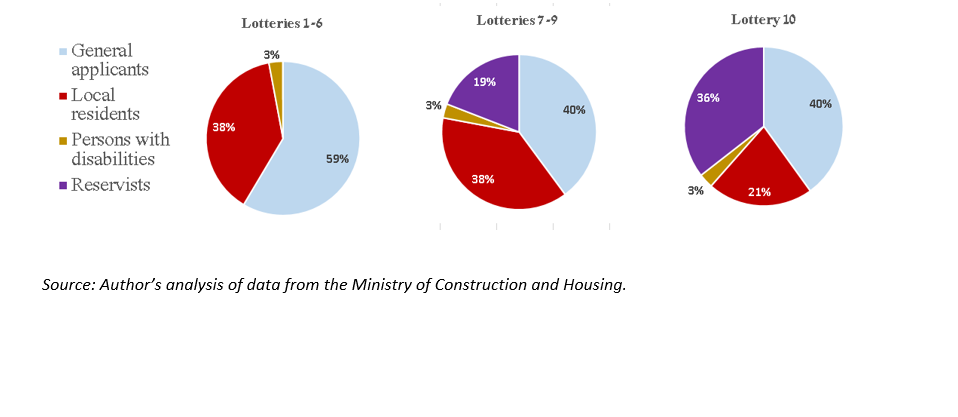
Across all ten lotteries, the distribution of housing units by allocation category shows a marked shift beginning with the introduction of the reservist preference.
In the first six lotteries (2022-early 2024):
- 38% of units were allocated to local residents
- 3% to persons with disabilities
- 59% to general applicants
Beginning with Lottery 7 (2024), approximately 19% of housing units were allocated to reserve soldiers. This reduced the share available to general applicants to 40%.
In Lottery 10 (2025), the allocation to reservists increased to 36%, following expansion to include combat reservists. This increase coincided with a significant reduction in the share allocated to local residents.
Graph: Distribution of Units by Allocation Category Before and After the Introduction of the Reservist Preference (2022–2025)
Geographic Distribution by Population Sector
Early Lotteries (2022)
In the initial phase of the program, most housing units were located in areas not clearly identified as predominantly Haredi or Arab.
Expansion of Haredi-Area Allocations (2023–2024)
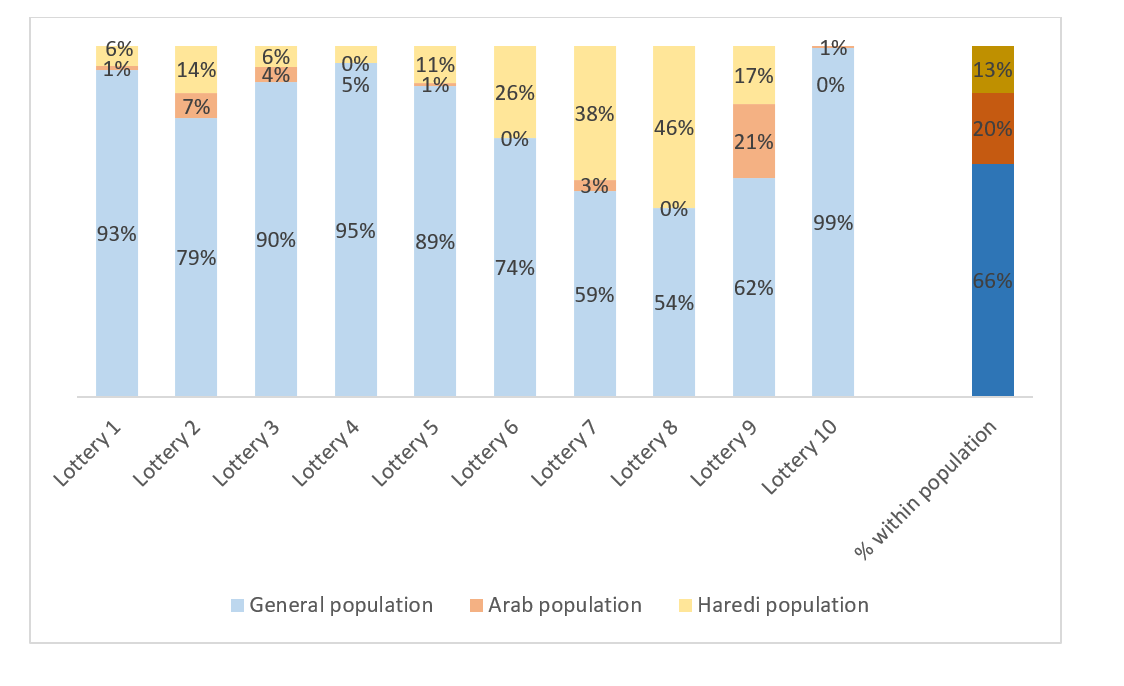
From Lottery 5 (2023) through Lottery 8 (2024), there was a substantial increase in projects located in homogeneous Haredi areas or in developments explicitly adapted to Haredi communities. At peak, nearly half of all units were located in such areas—approximately three times the Haredi share of the national population (around 14%).
During this period, Arab localities remained largely underrepresented relative to their demographic weight (Arabs represent about a fifth of the general population).[1]
Rebalancing in Lottery 9 (late 2024/early 2025)
Lottery 9 marked a shift:
- 17% of units were located in Haredi areas.
- 21% were located in Arab areas, approaching proportional representation.
Lottery 10 (2025)
Lottery 10 reflected a return to a broader geographic distribution, with almost all units located in areas not predominantly Haredi or Arab.
Graph: Share of Lottery Units by Geographic-Sector Classification (2022–2025)
Government Period and Project Advancement
The time between publication of land tenders and the opening of lotteries differs across governmental periods. Analyzing the length of this time period is significant, as it reflects how quickly different types of developments were advanced to the lottery stage, serving as an indicator of the government's prioritization.
Under the 36th Government, the average time between tender publication and lottery opening was longer in Haredi areas (approximately 1.6 years) than in other areas (about one year).
Under the 37th Government, this pattern reversed: Haredi projects moved to lottery stage more quickly (approximately 0.8 years), while projects in other areas took longer on average (approximately 1.2 years).
These findings suggest differential prioritization across governmental periods.
Allocation to Reserve Soldiers
Beginning with Lottery 7 (2024), approximately 20% of units were reserved for reserve soldiers. In Lottery 10 (2025), this share increased to 36%.
Lotteries 7–9
In these lotteries, a substantial portion of reservist-designated housing units were located in:
- Haredi-designated areas
- Arab localities
- Remote peripheral towns
In each of these three lotteries, less than half of the housing units allocated to reservists were located in high-demand central areas.
Lottery 10
Lottery 10 marked a notable change. In addition to expanding the allocation share, a significant portion of reservist-designated housing units were located in high-demand central cities such as Ra’anana, Kiryat Ekron, Be’er Ya’akov, Yavne, and Netanya.
While approximately one-quarter of reservist housing units remained in peripheral areas, the overall geographic distribution was substantially more aligned with high-demand regions than in previous rounds.
Conclusion
The Target Price program reflects shifting patterns of geographic and categorical allocation over time.
In its early stages, the program distributed units broadly across non-sectoral areas. Beginning in 2023, there was a pronounced increase in allocations to homogeneous Haredi areas. Arab areas were underrepresented for much of the program, with proportional representation achieved only in Lottery 9 (2024/5). Lottery 10 (2025) returned to a more general geographic distribution.
The introduction and later expansion of the reservist preference significantly altered the distribution of allocation categories. While the share reserved for reservists increased substantially, the geographic placement of those units in Lotteries 7–9 limited their practical attractiveness. Lottery 10 represented a structural shift toward more desirable central locations.
Finally, beyond questions of representation and preference, the lottery mechanism itself may generate broader market effects. By removing discounted units from the open market while demand remains high, the policy benefits a small group of winners while potentially increasing price pressures for the majority who do not win.
[1] Excluding the 9th Lottery, in which the share of lotteries in Arab areas was just over their representation.