
Policing and Law Enforcement Program

IDI's Policing and Law Enforcement Program seeks to develop actionable, research-based policy for policing and domestic security practices designed to ensure the safety of all Israel’s citizens while preserving civil liberties and the rule of law.

Building on IDI’s proven interdisciplinary expertise in domestic policy issues and questions of government reform, and drawing on international comparative research on policing best-practices, the program aims to become Israel's leading center of knowledge and primary source of practical guidance on matters relating to the police, law enforcement and domestic security.

The program develops and promotes practical research-based policy proposals in three key areas:

  1. Promoting professionalism in law enforcement.
  2. Devising policing policies and practices that are effective and lawful.
  3. Laying the policy foundations for a sharp reduction in crime over time.

By promoting the transformation of the Israeli national police force into a model for democratic law enforcement the world over, we aim to make Israelis safer, freer and more prosperous.

  • Default Image

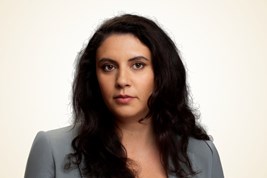
    Dr. Yael Litmanovitz

    Head

    Read More

    yaelz@idi.org.il

    Dr. Yael Litmanovitz holds an MSc and a doctorate from the University of Oxford.  Her thesis developed the evidence-base for police training in democratic societies. She worked with Israeli Border Police to design and trial a training intervention on procedurally just policing of protests.


The government has decided to divert approximately NIS 500 million from the budget of a program to reduce disparities in Arab society and transfer the funds to the Shin Bet and the Israel Police to address crime and violence in Arab society. Is the Shin Bet – an agency whose mandate is to protect the security of the state and its institutions –suited for this task, and what might the consequences of its involvement be?

What are the implications of declaring a “special home front situation,” and what powers does such a declaration confer to Israeli authorities? What rights do citizens have in areas regarding which such a declaration has been made? What’s the difference between a “special home front situation” and the ongoing “emergency situation” that has long been in force in Israel? This article explains these issues, and more.

While the police shooting in Tarabin is still under investigation, the events leading up to the shooting reflect a systemic failure in the police's approach to combatting crime in Arab society, and raise concerns about politicization of the police.

The work of civilian defense squads serves a real security need and bolsters the functioning of the police. But an incident from the Israel-Iran war reminds us that, even in an emergency, they are still subject to the law and must still operate within the limits and frameworks set for them by the police.

Drastic budget cuts to Israel's National Authority for Community Safety jeopardize national security by eliminating essential violence prevention and community support services, disproportionately impacting vulnerable populations and exacerbating social instability.

Arab-Israeli public officials are being increasingly targeted by criminals, hoping to get their way through threats, extortion and force ahead of Tuesday's local elections. Running for office shouldn't cost people their lives.

Policing does not usually involve battles with terrorists. But the unique situation in Israel has shaped the role of our police officers to include internal security missions. What are the skills and capabilities required of police officers in Israel? Do they have sufficient funding? Those are some of the questions Israeli society must attend to once the current crisis is over.