


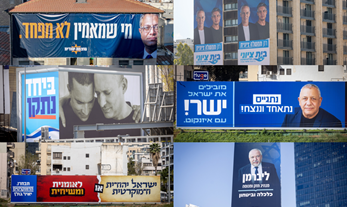
Election Campaign Financing in Israel
Written By: Dr. Assaf Shapira
In every Israeli election, parties spend tens of millions of shekels each on their campaigns. Where does the money come from, and when is it paid? How do the rules differ for large and small parties, and for established and new ones? Is there a spending ceiling? And what happens when a party runs a deficit?
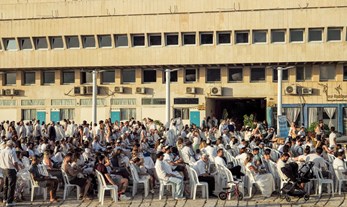
Patterns of Fasting and Synagogue Attendance on Yom Kippur
Written By: Dr. Ariel Finkelstein, Ya'ari Padan, Adv. Shlomit Ravitsky Tur-Paz
Approximately three-quarters of Jewish Israelis fast on Yom Kippur and a majority of Israelis attend synagogue on Yom Kippur.

Giving Israeli Voters a Stronger Voice
Written By: Dr. Assaf Shapira
Israelis vote for party lists and only in elections for Knesset and local government. Adding a candidate-based component to Knesset elections and considering reforms that expand the number of elected institutions would improve Israel's democratic system.
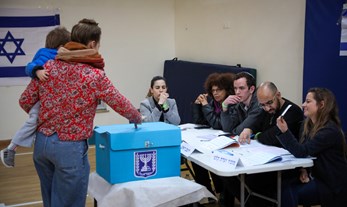
Israelis Reveal Their Main Considerations in Deciding Which Party to Vote for in October
Written By: Prof. Tamar Hermann, Dr. Lior Yohanani, Yaron Kaplan, Dr. Omer Schwartz
Among Jews, a party's position on foreign affairs and security tops the list, while among Arabs, crime in Arab society is ranked most important. 68% of Jewish Israelis and 32% of Arab Israelis say October 7 is a central factor in deciding which party to vote for. Most Israelis are concerned about election interference.
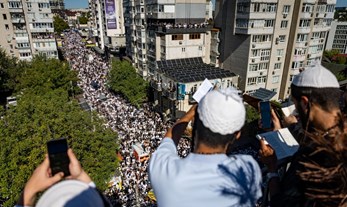
Who Travels to Uman for Rosh Hashanah?
Written By: Dr. Ariel Finkelstein
A summary of research that looks at the scale and demographic profile of Jewish Israeli visitors to the Tomb of Rabbi Nachman of Breslov in Uman.
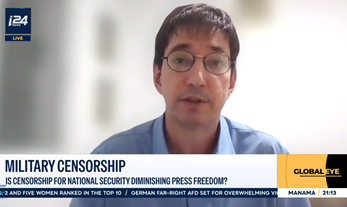
IDI’s Dr. Guy Lurie Joins i24NEWS to Discuss Military Censorship and National Security
Written By: Dr. Guy Lurie
Dr. Guy Lurie, Research Fellow in IDI’s Democratic Values and Institutions Program, joins an i24NEWS panel to discuss Israel’s Military Censor and the delicate balance between protecting national security and preserving freedom of speech.

Meta Agreed to Protect America's Children. Who Will Protect Israel’s?
Written By: Dr. Tehilla Shwartz Altshuler
A settlement with Meta in the US, though imperfect, marks a significant recognition that the design of social media platforms must be regulated to protect children. In Israel, where children have been carrying three years of war on small screens, such protections are critical.

Yes, They Will Multiply – The 2040 Edition
Written By: Eliyahu Berkovits


The Nexus of Security and Democracy on the Ballot
Written By: Prof. Amichai Cohen
For Israel, national security and democracy are closely intertwined. The question facing the next leaders of the country is not only how Israel uses its security power, but who makes the decisions, through what process, and with what degree of accountability.
The Absence of a State Comptroller
Written By: Prof. Ofer Kenig, Dr. Assaf Shapira
The state comptroller plays a critical role in preventing misconduct in elections. Israel is now in a situation in which "the rules of the game are in place, but the referee has disappeared from the field."
Candidate List Selection Ahead of Israel's 2026 Election
Written By: Prof. Ofer Kenig
The date of the election for the 26th Knesset has been officially set. One of the major milestones on the road to Election Day is September 8, the deadline for submitting candidate lists. Each party is free to determine how it compiles its list. This review examines the methods the parties use.
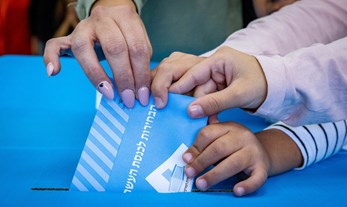
Overwhelming Majority of Israelis Think There is Danger to the Integrity of Israel's Elections
Written By: Prof. Tamar Hermann, Dr. Lior Yohanani, Yaron Kaplan
72% of Jewish Israelis and 58.5% of Arab Israelis say there is danger to the integrity of Israel's elections. Israelis are split on how best to handle Iran. Laws passed in the legislative blitz prior to Knesset dissolution were broadly unpopular.
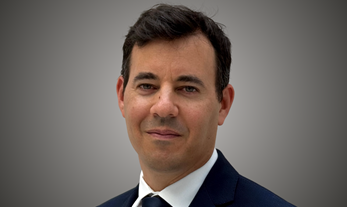
IDI Appoints Noach Hacker as Vice President of Policy
Written By: The Israel Democracy Institute
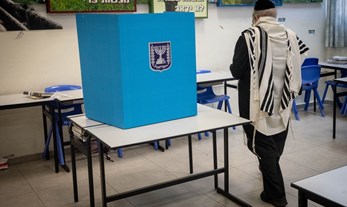
What Motivates Haredi Voters?
Written By: Avraham Lafair, Dr. Gilad Malach
Haredi society features an unusually strong link between communal affiliation and voting patterns. Over the years, various mechanisms and motivations have been created to ensure that Haredi voters turn out to vote and to dictate which party they vote for. Will the conscription crisis and the events of recent years weaken these systems?
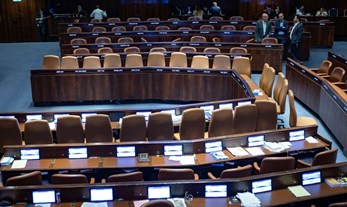
Review of the Key Measures to Weaken Democracy in Israel
Written By: Adv. Anat Thon Ashkenazy, Adv. Daphne Benvenisty
An analysis of legislation and initiatives that undermine democratic principles and institutions during the full 25th Knesset term, from November 2022 through July 2026.

The Shin Bet's Involvement in Combating Serious Crime in Israel
Written By: Prof. Amichai Cohen, Adv. Mirit Lavi
The government has decided to divert approximately NIS 500 million from the budget of a program to reduce disparities in Arab society and transfer the funds to the Shin Bet and the Israel Police to address crime and violence in Arab society. Is the Shin Bet – an agency whose mandate is to protect the security of the state and its institutions –suited for this task, and what might the consequences of its involvement be?
play
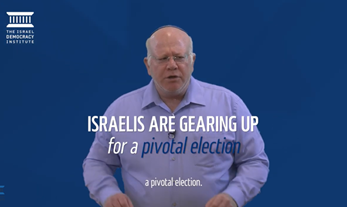
Prof. Amichai Cohen IDI's Vice President of Research on the 2026 Israeli Elections
As Israel’s 2026 election campaign unfolds, IDI experts are examining the major questions shaping the campaign—and the country’s future. In the latest video in our special election series, Prof. Amichai Cohen, IDI’s newly appointed Vice President of Research, shares three key issues he’s watching.

What Can Israel in 2026 Learn from the Prophet Jeremiah this Tisha B’Av?
Written By: Adv. Shlomit Ravitsky Tur-Paz
As Israel marks Tisha B'Av, we recall that the Prophet Jeremiah manages to hold together pain, accusation, and despair, alongside mutual responsibility, accountability, and hope for the future. In 2026, Israel can learn several lessons from the way Jeremiah chooses to conduct a conversation.
The Knesset’s Work During the Election Recess
Written By: Gaya Stav Sigavi, Avital Friedman
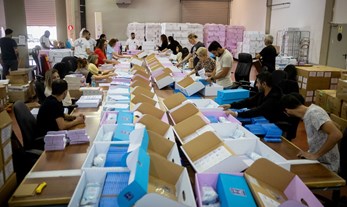
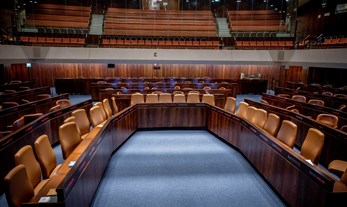
Everything you need to know about what happens to the Knesset between the end of its summer session and the 2026 elections, scheduled for October 27, 2026.


Israel Heads to Elections: Prof. Ofer Kenig Briefs the Jerusalem Press Club on How the Voting System Actually Works
Written By: Prof. Ofer Kenig
Prof. Ofer Kenig briefed the Jerusalem Press Club on Israel’s upcoming elections including on how the electoral system works, the formation of party lists, “double envelope” voting, coalition negotiations, and the process of forming a new government after election day.

Explainer: Basic Law: Torah Study and Its Implications
Written By: Prof. Benjamin Porat, Adv. Shlomit Ravitsky Tur-Paz
Torah study is a cornerstone of Jewish heritage and is worthy of support. The Basic Law that has passed in Knesset, however, could have implications for the principle of equality, the constitutional status of a Basic law and indeed, the world of Torah itself.

The Law Expanding Gender Separation in Higher Education and Its Implications
Written By: Adv. Anat Thon Ashkenazy, Adv. Edna Harel Fisher
The legislation expands the possibility of gender-separated studies in higher education, fundamentally altering the balance between the desire to make higher education accessible to the Haredi population and the principle of equality.

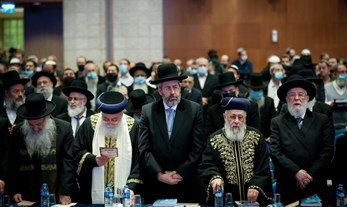
The Government’s Kashrut Law: What It Would Change and Why It Matters
Written By: Dr. Ariel Finkelstein, Ayala Goldberg
The legislation would largely repeal reforms passed in 2021, restoring the Chief Rabbinate’s centralized role over kosher certification, reducing competition and limiting religious choice.
The Law to Weaken the Role of the Attorney General
Written By: Dr. Guy Lurie
The latest proposal would undermine the binding force of the Attorney General’s legal opinions and abolish the AG's exclusive authority to decide whether to permit the government separate legal representation, removing two of the main tools that enable the institution to safeguard the rule of law.