
The Joan and Irwin Jacobs Center for Shared Society

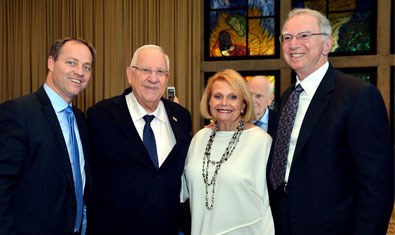
Joan and Irwin Jacobs Distinguished Fellow: Former President Reuven (Ruvi) Rivlin


The Joan and Irwin Jacobs Center for Shared Society is a new IDI initiative focused on strengthening social solidarity and fostering commitment to democratic values in Israel. The establishment of the Center was made possible by a landmark gift from Irwin and Joan Jacobs, who have endowed it in perpetuity.

The Center, established in 2021, is dedicated to carrying on the important work Rivlin launched as President under the banner of the “Israeli Hope Initiative.”

As President Rivlin remarked in his historic speech from 2015: “I have identified a very real threat in our collective suppression of the transformations that Israeli society has been undergoing in recent decades… it is the distribution into four principal tribes that make up Israeli society, that reveals its basic structure; a structure that we shall never have the ability or the power to blur or erase…the ‘new Israeli order’ now requires us to abandon the accepted view of a majority and minorities and move to a new concept of partnership between the various population sectors in our society.”

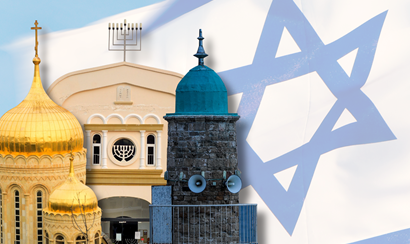
The creation of the new Center will enable placement of the Institute’s key social integration initiatives and its focus on meeting the unique challenges arising from Israel's dual identity as a Jewish nation-state and a liberal democracy, under a single organizational framework, creating cross-disciplinary synergies and fostering respectful dialogue between representatives of the various “tribes” that make up contemporary Israeli society. The Center’s initial focus will be on efforts to integrate Israel’s Arab citizens and its ultra-Orthodox population into society and the economy as it seeks to attenuate the inherent tensions between religion and state. It will also promote religious pluralism, efforts to reduce tensions between secular and religious Israelis and build bridges between Israel and the Diaspora. The programmatic initiatives undertaken by the Center will combine applied research with public outreach, and showcase the Institute’s growing commitment to the inculcation of a common ethos of democratic citizenship across all sectors of Israel’s diverse society.
  • Default Image

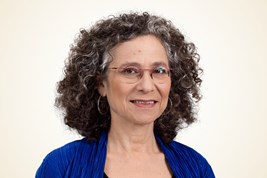
    Adv. Shlomit Ravitsky Tur-Paz

    Director of the Center and Head of the Religion and State Program at the Center

    Read More

    Co-founded and co-directed Itim – the Jewish Life Advocacy Center– an organization that committed to increasing participation in Jewish life by making Israel’s religious establishment respectful of and responsive to the diverse Jewish needs of the Jewish people. In this capacity, she has appeared before the Rabbinic Courts on issues of conversion, marriage, and divorce.

  • Default Image

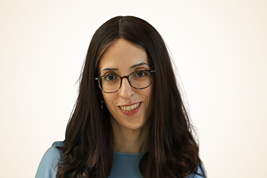
    Ronny Barboy

    Head, Ultra-Orthodox in Israel Program

    Read More

    [email protected]

    Ronny holds a bachelor's degree in Community Social Work and a Master's in Public Administration and Policy from the Hebrew University. She specializes in research, policy analysis, and implementation. Previously, she coordinated training programs for senior civil service personnel at Mandel Institute and served as CEO and partner at Agora policy Institute, as well as being a senior researcher at the Haredi Institute for Policy Research.

    In addition, Ronny has acted as an advisor to government ministries, foundations, and third-sector organizations, specializing in guiding policy design and implementation processes related to Haredi society.

  • Default Image

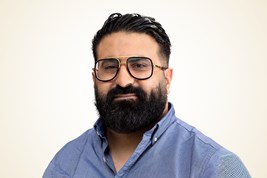
    Hassan Towafra

    Guest Senior Fellow, Arab Society in Israel Program

    Read More
  • Default Image

    Dr. Fahima Abbas

    Senior Researcher, Arab Society in Israel Program

    Read More

    [email protected]

    Dr. Abbas received her PhD in Geography from the Hebrew University of Jerusalem in 2016. Her research focuses on the integration of the minority middle class into majority urban spaces, with an emphasis on metropolitan areas and divided cities, spatial inequality, migration, and commuting. As part of her postdoctoral research at the Truman Research Institute for the Advancement of Peace, she examined the participation of the Jerusalem middle class in the Israeli economy. In her recent studies, Dr. Abbas explored access to housing and employment among Palestinian women in Israel, analyzing how residential space, social class, and marital status influence their opportunities for housing and employment.

  • Default Image

    Mirvat Abu Hadoba-Frieh

    Researcher, Project of Community Safety in the City of Rahat, Arab Society in Israel Program

    Read More

    [email protected]

    Mirvat Abu Hadoba-Frieh is a researcher and Ph.D. candidate in the Department of Politics and Government at Ben-Gurion University of the Negev. Her research focuses on political awareness among national minorities, with particular emphasis on Arab society in Israel and the Kurdish minority in Turkey.

  • Default Image

    Hodaya Ben Ari

    Research Assistant, Religion and State Program and Ultra-Orthodox in Israel Program

    Read More
  • Default Image

    Eliyahu Berkovits

    Researcher, Ultra-Orthodox in Israel Program and Religion and State Program

    Read More

    [email protected]

    Eliyahu is a PhD student in Jewish Thought at the Hebrew University in Jerusalem and a graduate of ‘Ateret Israel’ and ‘Mir’ yeshivas.

    He has a Masters in Jewish Thought from the Hebrew University and a BA in Humanities from the Open University of Israel.

  • Default Image

    Gilad Cohen Kovacs

    Researcher, Ultra-Orthodox in Israel Program

    Read More

    [email protected]

    Gilad is an economist and a sociologist by training, a graduate of the PPE program (philosophy, economics, political science) for a bachelor's degree and the economics program for a master's degree (research track), both from the Hebrew University, and is currently a doctoral student in the Department of Sociology and Anthropology at the Hebrew University.

  • Default Image

    Dr. Ariel Finkelstein

    Researcher, Religion and State Program and Ultra-Orthodox in Israel Program

    Read More

    [email protected]

    Dr. Ariel Finkelstein holds s bachelor's degree from the Integrated Program for Philosophy, Economics and Political Science at Hebrew University, and a Master's degree in Public Policy, with a specialization in local government administration and management from Haifa University, as part of the Ministry of Local Government's "Cadets for Local Government" program.

  • Default Image

    Tehila Gado

    Researcher, Ultra-Orthodox in Israel Program

    Read More

    Doctoral student in the Department of Sociology and Anthropology, the Hebrew University of Jerusalem. Has an MA in Criminology from the Hebrew University of Jerusalem and is a lecturer at the Ono Academic College.

    Her PhD thesis deals with religious violence between ultra-orthodox spouses. Her research in general deals with the study of the ultra-orthodox society in Israel: trends of change in this society, religious and cultural perceptions and ideology, Rabbinical leadership and interfaces between culture and religiosity.

  • Default Image

    Duna Ghanayem

    Research Assistant, Arab Society in Israel Program

    Read More
  • Default Image

    Ayala Goldberg

    Research Assistant, Religion and State Program

    Read More

    [email protected]

    Research assistant in the Religion and State program at the Joan and Irwin Jacobs Center for Shared Society, and a local governance project within the Civil Service Reform program. Holds a Bachelor's degree in the PPE program from the Hebrew University in Jerusalem. Currently a Master's student in government and public policy at the Open University.

  • Default Image

    Gabriel Gordon

    Researcher, Ultra-Orthodox in Israel Program

    Read More

    [email protected]

    He holds a Master's degree in Economics and Environmental studies.

    His research focuses on demographics and trends within the Israeli labor force.


  • Default Image

    Dr. Ofir Hadad

    Researcher, Arab Society in Israel Program

    Read More

    [email protected]

    Dr. Ofir Hadad is a postdoctoral fellow at the Harry S. Truman Research Institute for the Advancement of Peace, where he also coordinates programs for research students from diverse populations, and he teaches in the Department of Political Science and in the Conflict Research, Management and Resolution program at the Hebrew University of Jerusalem.

  • Default Image

    Adv. Edna Harel Fisher

    Research Fellow, Religion and State Program

    Read More

    [email protected]

    Edna Harel Fisher leads policy research at the institute on the topic of funding for culture, ‘Mamlachtiyut’, and freedom of speech.

  • Default Image

    Ester Hershkoviz

    Research Assistant in the Ultra-Orthodox in Israel Program

    Read More
  • Default Image

    Dr. Muhammed Khalaily

    Researcher, Arab Society in Israel Program

    Read More

    [email protected]

    Holds a PhD from the School of Political Science at the University of Haifa on the subject: "The role and survival of primordial structures in modern politics: A Neo-Institutional Analysis of Clan Continuity in Arab Politics in Israel".

  • Default Image

    Gal Klein

    Research Assistant, Religion and State Program

    Read More
  • Default Image

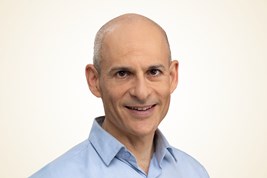
    Dr. Gilad Malach

    Research Fellow, Ultra-Orthodox in Israel Program

    Read More

    [email protected]

    Dr. Gilad Malach is a research fellow at IDI's Ultra-Orthodox in Israel program. He co-authored the Master Plan for Ultra-Orthodox Employment (along with Doron Cohen and Haim Zicherman) and was editor of the Statistical Report on Ultra-Orthodox Society in Israel (in cooperation with Dr. Lee Cahaner).

    He was director of implementation of the Gavison-Medan Covenant Project at the Avi Chai Foundation and content manager of the Committee on Sharing the Security Burden in the Eighteenth Knesset.

  • Default Image

    Dr. Asaf Malchi

    Senior Researcher, Ultra-Orthodox in Israel Program

    Read More

    [email protected]

    Dr. Asaf Malchi is a senior researcher at the Israel Democracy Institute, in the Ultra-Orthodox in Israel program. His research focuses on current social and economic trends  in the community, in the areas of employment,  higher education, military and Civilian National Service, and more. These studies provide important input to decision makers in crafting policy on the ultra-Orthodox.

  • Default Image

    Ya'ari Padan

    Research Assistant, Religion and State Program and Ultra-Orthodox in Israel Program

    Read More
  • Default Image

    Prof. Benjamin Porat

    Senior Fellow, Ultra-Orthodox in Israel Program, Religion and State Program

    Read More

    A senior lecturer at the Faculty of Law at the Hebrew University of Jerusalem and the director of the Matz Institute for Jewish Law. After completing his doctorate at the Hebrew University, he was hosted as a post-doctoral fellow by the University of Toronto

  • Default Image

    Dr. Arik Rudnitzky

    Researcher, Arab Society in Israel Program

    Read More

    [email protected]

    Dr. Rudnitzky has been researching Arab Israeli issues for almost two decades. His fields of expertise cover political, national and social developments in Israel's Arab society; Jewish-Arab relations; and government policies on Arabs in Israel.

    Rudnitzky holds PhD degree from the Department of Middle Eastern Studies at Bar-Ilan University, as well as MA (magna cum laude) and BA degrees in Middle Eastern History from the Faculty of Humanities and an MBA degree from the Faculty of Management, Tel Aviv University.

  • Default Image

    Dr. Shlomit Shahino Kesler

    Senior Researcher, Ultra-Orthodox in Israel Program

    Read More

    [email protected]

    Dr. Shlomit Shahino-Kesler is a senior researcher at the Israel Democracy Institute in the Ultra-Orthodox in Israel program.

    Shlomit holds a PhD in Political Science and has 20 years of experience in research and policy.

    Over the past decade, she has specialized in studying Haredi society.
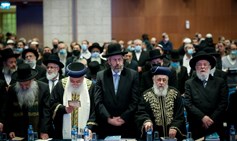
    At the Haredi Institute for Public Affairs, she served as a senior researcher, lead researcher, and Deputy Director for Policy. In these roles, she dealt with issues such as housing, employment, education, at-risk youth, and local authorities, and worked in partnership with senior officials in government ministries, local authorities, and philanthropy.

    She teaches courses on policy and Haredi society in Israel at Sapir Academic College.

  • Default Image

    Prof. Daniel Statman

    Senior Fellow, Religion and State Program

    Read More

    Prof. Daniel Statman is a lecturer at the Philosophy department of the University of Haifa and specializes in ethics and political philosophy. He has served on several public committees, including the committee that revised the ethical code for the IDF, the committee that is responsible for decisions on new medicines to be covered by the national medical insurance, and the ethical committee of Ha-Emek hospital.

  • Default Image

    Adi Wiener

    Research Assistant in the Ultra-Orthodox in Israel Program

    Read More

    [email protected]

    Adi is researching trends of leaving the Haredi community, as part of the Ultra-Orthodox in Israel Program in the Joan and Irwin Jacobs Center for Shared Society, and is set to participate in additional research projects.

    She is a PhD candidate at the School of Jewish Studies at Tel Aviv University, holds an M.A. in Talmud from Tel Aviv University, and a B.A. in Political Science and Jewish History from the Hebrew University.

    Adi took part in various research projects, including discourse monitoring in international media project at the Hebrew University, media coverage of 2011 protest project at Hadassah Academic College, and Cairo Geniza Jewish texts project at Tel Aviv University.

  • Default Image

    Danielle Ben Yehuda Warrem

    Research Assistant in the Ultra-Orthodox in Israel Program

    Read More
  • Default Image

    Naomi Abraham

    Researcher, Ultra-Orthodox in Israel Program

    Read More
  • Default Image

    Libi Kimhi

    Research Assistant, Ultra-Orthodox in Israel Program

    Read More

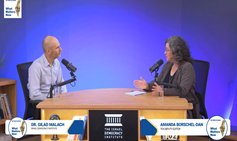
Shlomit Ravitsky Tur-Paz, Director of IDI’s Joan and Irwin Jacobs Center for Shared Society and Head of the Religion and State Program, joins host Amanda Borschel-Dan on the Times of Israel weekly podcast, What Matters Now. Ahead of Israel’s October 27 elections, they discuss the stratification of Israeli society across different religious groups, the diversity of characteristics and values among Israel's religious populations, and how religion comes into play in Israeli politics - including at the ballot box.

As Israel marks Tisha B'Av, we recall that the Prophet Jeremiah manages to hold together pain, accusation, and despair, alongside mutual responsibility, accountability, and hope for the future. In 2026, Israel can learn several lessons from the way Jeremiah chooses to conduct a conversation.

The legislation would largely repeal reforms passed in 2021, restoring the Chief Rabbinate’s centralized role over kosher certification, reducing competition and limiting religious choice.

What does this legislation include? Why is it being legislated now, of all times? Is it constitutional? And how will it affect Haredi conscription? Everything you need to know.

This review demonstrates a clear correlation between religious self-definition and voting in elections. The further one moves toward the secular end of the continuum between Haredim and secular Jews, the greater the likelihood of voting for a political camp currently identified with the opposition, and vice versa.

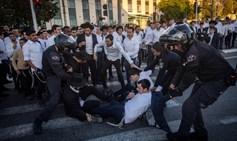
Israel needs a nuanced doctrine for Haredi policing: consistent enforcement against violence and obstruction; disciplined restraint in the use of force; distinctions between extremists and the broader Haredi public; and direct police service to Haredi citizens who need help.

Shlomit Ravitsky Tur-Paz, Director of the Joan and Irwin Jacobs Center for Shared Society and Head of the Religion and State Program at IDI, spoke with Kan English Radio about the growing challenge of Haredi integration as Israel’s ultra-Orthodox population continues to grow, inequalities in subsidies and military service, and the policies Israel’s government must adopt to ensure better and more equal integration of the Haredi community into Israeli society.
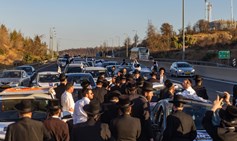
On Shavuot, Jewish tradition celebrates the story of Ruth, emphasizing choice, loyalty, and belonging as the central qualities shaping the boundaries of the Jewish community. A proposed amendment to the Law of Return would go against this spirit – everything you need to know about the bill and the history on the issue.

On April 26, 2026, the High Court of Justice ordered the government to take measures to enforce the draft of ultra-Orthodox men into the IDF. This includes both the withholding of certain state benefits and the imposition of criminal proceedings for draft evaders.

The draft exemption bill has been “set aside” for now, and it appears increasingly unlikely that the (non-)conscription law will be finalized in the current Knesset. This explainer reviews the history of the bill, explains the manner in which the existing law is expected to be enforced, and assesses the chances of the government passing an exemption law after the war is over but before the upcoming election. 

All your questions answered about the "Western Wall Law" under debate this week, the religious, political, and judicial background that led to the present situation, and where we might go from here in this core question of the balance of religion and state in Israel.

IDI experts argue for a universal obligation to serve, as opposed to the model of the latest "conscription" bill, which would be harmful to Israel's security and social solidarity. However, if the present legislation does move forward, the points presented here would mitigate the harm in the proposed bill.

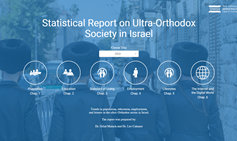
First chapter of six of the 'Statistical Report on Ultra-Orthodox Society in Israel'

Second chapter of six of the 'Statistical Report on Ultra-Orthodox Society in Israel'

Third chapter of six of the 'Statistical Report on Ultra-Orthodox Society in Israel'

Fourth chapter of six of the 'Statistical Report on Ultra-Orthodox Society in Israel'

Fifth chapter of six of the 'Statistical Report on Ultra-Orthodox Society in Israel'

Sixth chapter of six of the 'Statistical Report on Ultra-Orthodox Society in Israel'

Dr. Khader Sawaed, Head of IDI’s Arab Society in Israel Program, spoke with KAN English Radio about rising crime in Arab communities and the various policy approaches being discussed to address it, including the role and functioning of police stations in these communities.

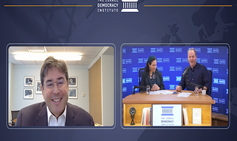
Eric Goldstein, CEO of UJA-Federation of New York, joined Yohanan Plesner, President of the Israel Democracy Institute, and Shlomit Ravitsky Tur-Paz, Director of IDI’s Joan and Irwin Jacobs Center for Shared Society, for an online conversation on “The Fifth Tribe,” the challenges facing American Jewry, and the relationship between Israel and the Jewish diaspora during the war and beyond.

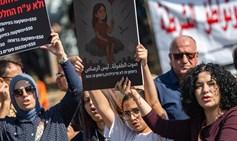
Diverting hundreds of millions of shekels from the five-year plan for Arab society toward enforcement and security will harm both the effort to reduce socioeconomic gaps and personal security.

IDI Research Fellow Dr. Gilad Malach joins host Amanda Borschel-Dan on the Times of Israel weekly podcast, What Matters Now. They discuss the contentious matter of ultra-Orthodox (Haredi) conscription, including the history of Haredi exemption from IDF service, modern cultural norms in Haredi society, and the current Haredi conscription proposal making its way through Knesset.

Behind the call to oppose the “persecution of Torah learners” lies a different struggle: an attempt by Haredi society to unite its ranks and strengthen a communal identity that has been eroded by the growing pressures to integrate into Israeli society, especially after two years of war.

Drawing on the prayer of atonement on Yom Kippur, the authors call on Israel's ultra-Orthodox (Haredi) leadership to seek forgiveness for refusing to share in Israel’s burdens, denying opportunity to its youth, and clinging to privilege without meeting obligations.

Ahead of Yom Kippur, this analysis looks at data collected on attendance at prayers or religious ceremonies in Orthodox synagogues, as well as in Reform or Conservative synagogues in Israel. A majority of Jewish Israelis attend synagogue at least once per year.

Now more than ever, Israelis must be empowered to form complex, non-sloganeering positions that may not fit superficially into existing frameworks. This is the key to breaking free from the simplistic, dichotomies and gridlock in which our discourse is trapped.

Quantity and Demographic Profile of Visitors to the Tomb of Rabbi Nachman of Breslov in Uman Among the Jewish Public in Israel.

One of the key sanctions under debate for Haredim who evade mandatory military conscription is a prohibition on leaving the country. By reviewing the extent and characteristics of Haredim traveling abroad, this analysis paints a picture of how such a sanction would impact Haredi society.
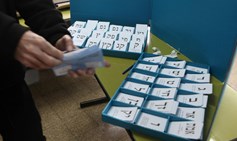
The Attorney General recently gave instructions to halt government funding for yeshivot for young Haredim who have dropped out. These instructions promote the value of equality and may also help advance the status of the young men who have dropped out.

A recent Supreme Court decision rules that the Chief Rabbinate must allow women to take the Halakhic exams it administers for the purpose of ordaining rabbis. While this does not mean they will be ordained as rabbis, this is good news for women in their struggle for the value of their Torah study to be recognized.

During Israel's twelve-day war with Iran, hundreds of thousands of Israelis found themselves stuck abroad. Partnerships emerged between Israeli civil society organizations and the diaspora community to help Israelis find housing, medicine, and other community-based solutions. This demonstrates the importance of Israeli investment in strengthening community ties between Israelis abroad and the State of Israel.

Despite clear indications that a significant number of ultra-Orthodox boys’ schools do not teach core subjects as required by law, hardly any face penalties from the Ministry of Education. The few penalties that are imposed are minor.

As the school system shuttered yet again in the war with Iran, Israeli society debates everything from safety to solidarity, but leaves out a critical virtue: the education of our children. Israel's ultra-Orthodox society, in spite of its refusal to be part of the Israeli collective experience, puts education at the core of its value system – what can the rest of the Israeli public learn from them?

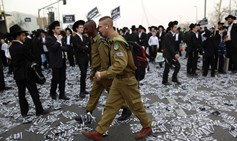
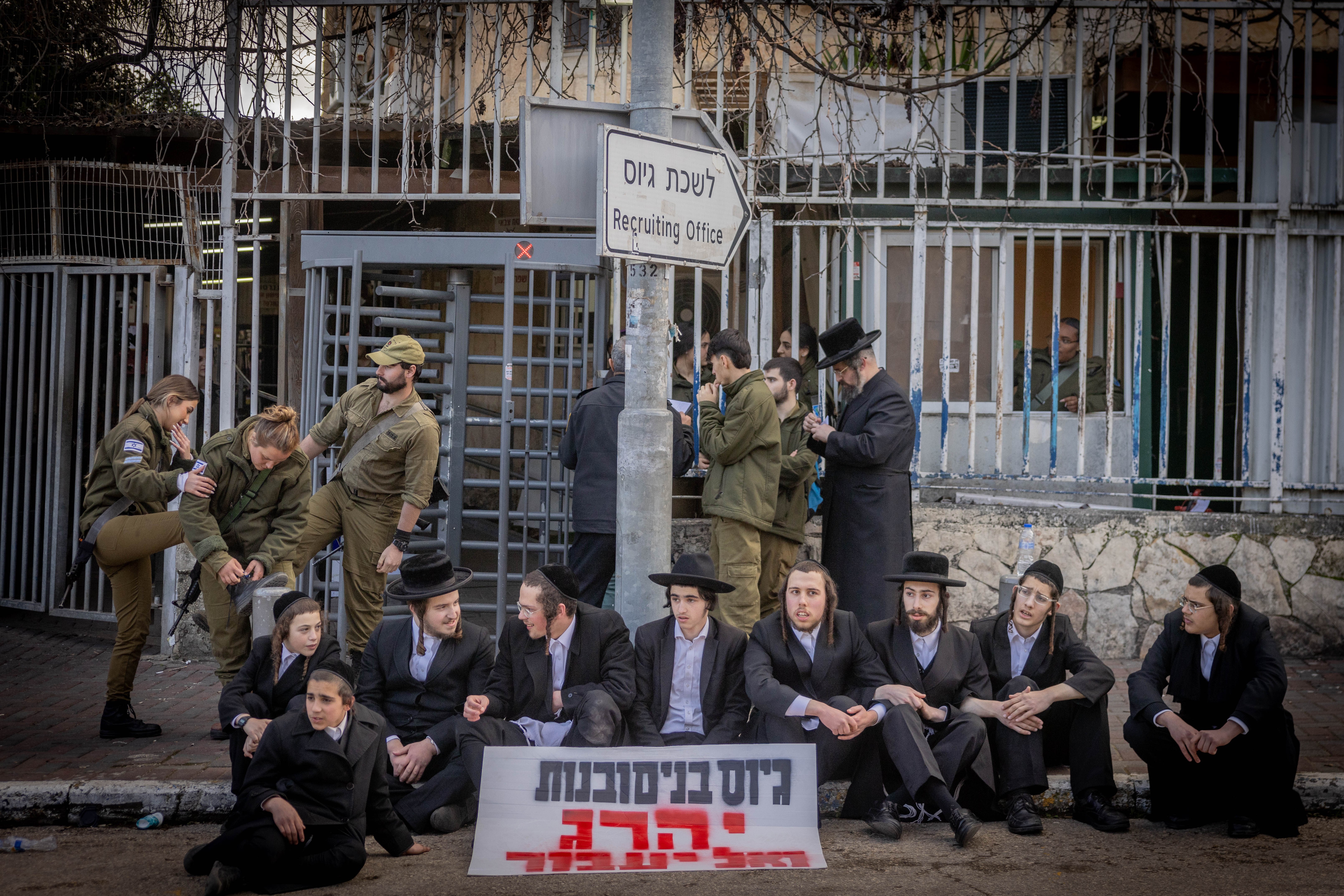
Exactly one year ago, Israel's Supreme Court ruled—in a measured manner—that the state must follow its own laws on drafting Haredim. But of the 19,000 summons issued by early June 2025, only about 5% (996) reported to induction centers, and just 1.2% (232) were actually conscripted.

The events of October 7, the judicial overhaul, continuous war, murderous violence on the streets, a spiraling cost of living—none of these have been enough to destabilize the coalition. Will it be the conflict over drafting yeshiva students that ultimately brings down the Netanyahu government?

Amid rising emigration, Israel must recognize the value of its global Israeli community, strengthen ties through dedicated educational initiatives, and create conditions that encourage return—turning today’s challenge into a long-term national asset.

Polls reveal that despite apparent polarization, Israelis are remarkably united on almost every issue of importance, prioritizing hostage release, ending Haredi draft exemptions, and anchoring a constitutional framework—leaving only their leaders out of step with the national consensus.

This year, as we sit at our Seder tables, we will seek to infuse deeper meaning into the Simanei HaSeder – the traditional chapters of the evening.

A "nuts and bolts" review of the coalition agreement related to Haredi education in the 2025 State budget.

Meir Porush, Minister of Jerusalem and Jewish Tradition, established a hotline advising yeshiva students to evade mandatory military conscription. Haredi leaders have been maintaining conflicting roles as state officials and acting community activists.

First chapter of six of the 'Statistical Report on Ultra-Orthodox Society in Israel'

Second chapter of six of the 'Statistical Report on Ultra-Orthodox Society in Israel'

Third chapter of six of the 'Statistical Report on Ultra-Orthodox Society in Israel'

Fourth chapter of six of the 'Statistical Report on Ultra-Orthodox Society in Israel'

Fifth chapter of six of the 'Statistical Report on Ultra-Orthodox Society in Israel'

Sixth chapter of six of the 'Statistical Report on Ultra-Orthodox Society in Israel'

The Levin-Saar plan abandons key elements of his earlier judicial overhaul, proposing changes to judicial selection and Basic Laws. While flawed, it offers a potential starting point for bipartisan negotiations to resolve Israel’s constitutional crisis.

This study presents a survey of the distribution of reserve duty among the various religious groupings within the Jewish population, along with more in-depth analysis regarding the age and gender of reservists.

Just like the stories of Joseph and his brothers, the Hasmonean struggle revolves around the question of fraternity among siblings—a question that today challenges the modern Jewish kingdom – The State of Israel.

While the Haredi leadership is fighting against military service for yeshiva students, real change is already visible on the margins of Haredi society, with a growing desire among young men to serve in the IDF like other Israelis. What’s needed now is for the politicians, the religious leadership, and the government to adapt to the changes on the ground.

The recently proposed bill runs counter to accepted budgeting principles and undermines the autonomy of local governance. 

 A survey of daycare subsidies in Israel and recommendations for improved criteria that would encourage participation in the labor market among the ultra-Orthodox. 

Israel’s challenges on Tisha B’Av 5784 are severe and complex. The costs we pay for living here are heavy and bloody. Yet the people living in Zion cling to the tradition of their forefathers and foremothers and to generations of pioneers who lived and died hoping to establish a model society here.

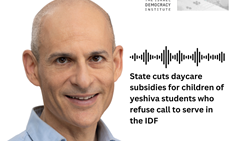
IDI's Dr. Gilad Malach joined Kann English podcast to discuss the issue of ultra-Orthodox conscription and the ensuing termination of daycare subsidies for children of yeshiva students who refuse draft orders. 

9 B'av commemorates the destruction of the Second Temple in 70AD. As we mark the day, we face intense polarization within Israeli society and threats against our security from without. What lessons can we take from the story of the Temple's destruction that might serve us well today?

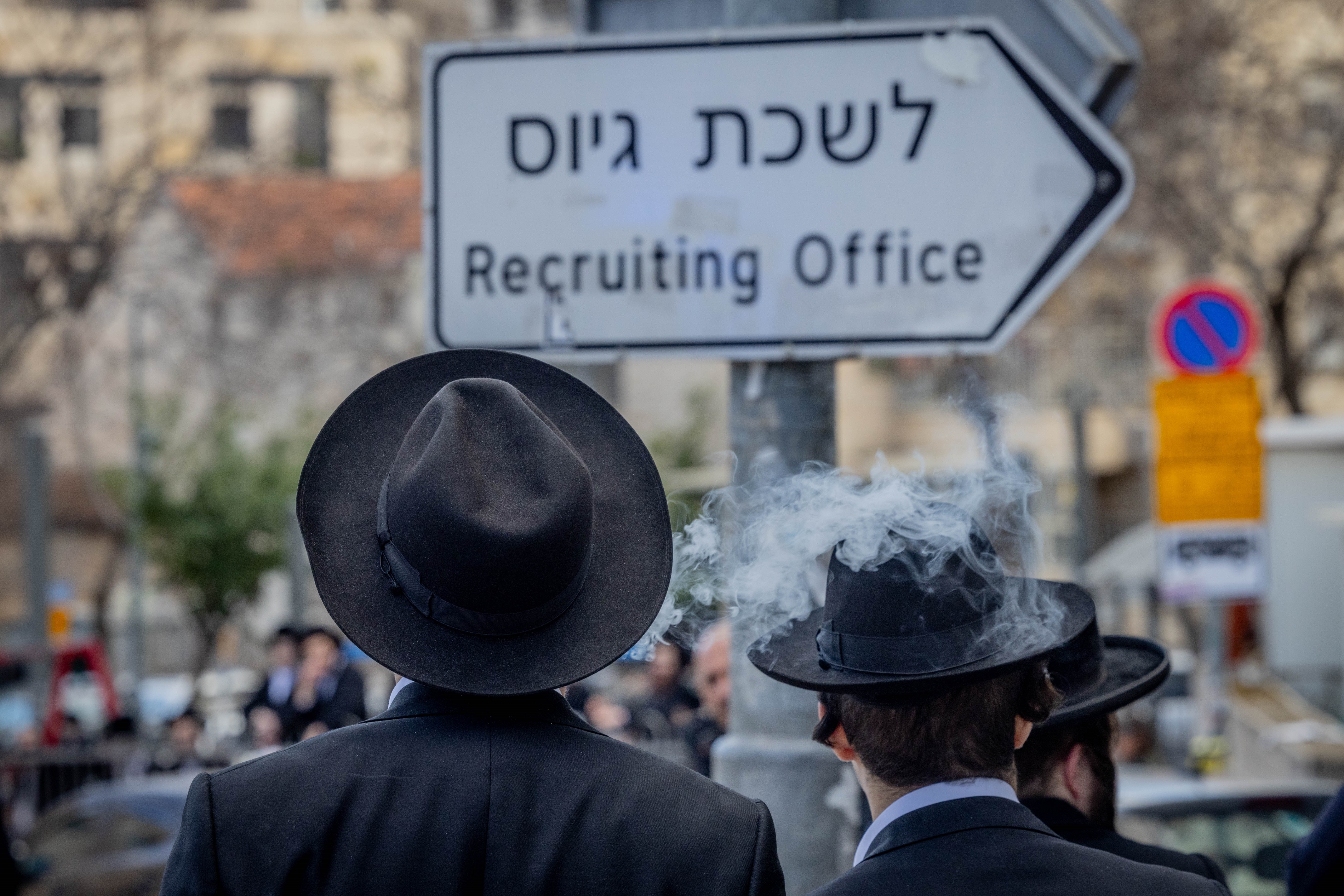
On Monday August 5, 2024 and Tuesday August 6, 2024—900 ultra-Orthodox yeshiva students were required to present themselves at IDF enlistment centers. Shlomit Ravitsky Tur-Paz, Dr. Eran Shamir-Borer and Mirit Lavi explain the next steps the IDF will need to take in order to enforce the legal obligation of conscription. 

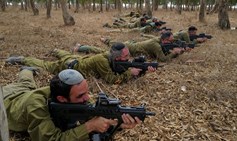
As the IDF issues the first batches of draft orders for ultra-Orthodox men, the following outlines the challenges, opportunities and objectives of an amended conscription law. 

The IDF should do what it can to ease the transition of Haredim from the social frameworks in which they have grown up and been educated into the military, but it is also important for new conscripts to understand that the rules cannot be changed according to the preferences of every single soldier or group.

This study describes the employment trends among men registered in ultra-Orthodox yeshivas between the ages of 18-25. The findings are based on a reported work, or "legal work," so it is very likely that this is an underestimation of reality. 

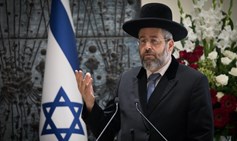
Elections for the Chief Rabbinate Council and the two chief rabbis (“the Chief Rabbinate elections”) will likely be announced in the near term. The present document suggests a number of fundamental changes to its membership, with the goal of making it more representative.

play

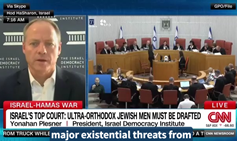
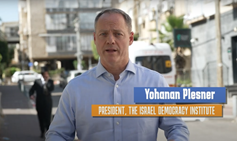
"It's a matter of a change in the trajectory," says Yohanan Plesner, president of IDI following the Israeli Supreme Court ruling on the issue of ultra-Orthodox conscription.

The Supreme Court ruling on June 25th addresses the question of whether the government is operating in accordance with the law. It determined that the state must act in accordance with the law and act to draft ultra-Orthodox. It also connects between the issue of exemptions and the criteria for eligibility for yeshiva budget funds.

play

"Basically we've entered into a new unknown terrain," says IDI President Yohanan Plesner.

The aim of this review is to present the views of the Jewish public in Israel regarding the institution of the Chief Rabbinate, based on the findings of an opinion survey that was conducted in May 2024.

Dr. Ariel Finkelstein warns that the proposed new "Rabbis Law" would weaken the standing of local communities, could lead to cronyism, reduce women's representation and more. 

play

Yohanan Plesner, President of IDI lays out the basic principles for a fair draft law.

Ahead of the Shavuot holiday, the Israel Democracy Institute is releasing a series of source materials for study during the "tikkun leil Shavuot" (the traditional Shavuot eve study session).

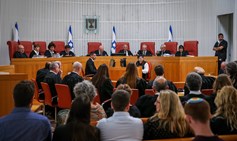
Israel's Supreme Court convened to hear arguments on the issue of drafting ultra-Orthodox yeshiva students who no longer are exempt from military service, and the legality of providing funding for yeshivas that enroll them as long as no new law has been legislated on this issue.

The heroic stories of battle alongside the volunteer spirit that swept the entire nation have shaken the dichotomies nurtured by the Haredi society for years.

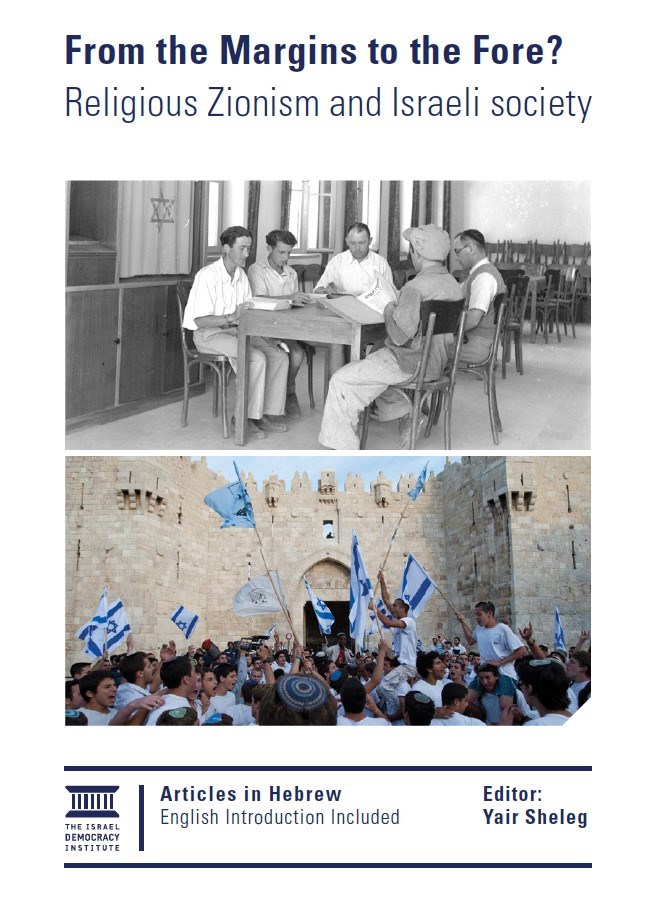
Religious Zionism (the sector, not the political party that appropriated the name) is one of the most influential population groups in Israel. In the following essay, I wish to draw attention to a worrying process afflicting religious Zionism, the roots of which can be traced back to its early days and has dramatically worsened in recent years.

The proposed law ignores the dramatic change in Israel's security situation since October 7 and does not address the need for more combat soldiers, nor does it respect the burden on the populations that already serve.

play

In new research, IDI experts Shlomit Ravitsky Tur-Paz and Gabi Gordon find that conscripting even a small percentage of eligible Haredi men would save the Israeli economy billions of shekels annually. They found that drafting even 20% of Haredi men would significantly reduce the number of days necessary for reserve duty and save 2.5 billion shekels in budgetary expenses by 2050. Full conscription of the ultra-Orthodox men would eliminate the need for reserve duty by 2045 and save the Israeli economy between 8-10 billion shekels.

The recent municipal elections produced particularly interesting results in Arab local authorities. Below, we examine several aspects of these results relating to the representation of Arab women.

We examine the increased burden of reserve service that the defense establishment is seeking to impose on the population groups that already perform regular and reserve service, and the economic-budgetary implications of this step for the period through to 2050.

play

IDI's Dr. Gilad Malach explains what a fair draft law for the ultra-Orthodox would look like. One that would distribute the burden over Israel's security more equally while enabling young Haredi men to integrate into the job market.

Dr. Rivka Neriya-Ben Shahar proposes a model that resembles the secular educational system of colleges and universities to identify the most gifted torah scholars, who would receive a generous stipend. Others must rethink their role as part of Israeli society.
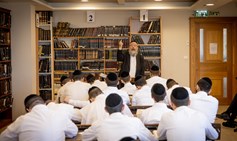
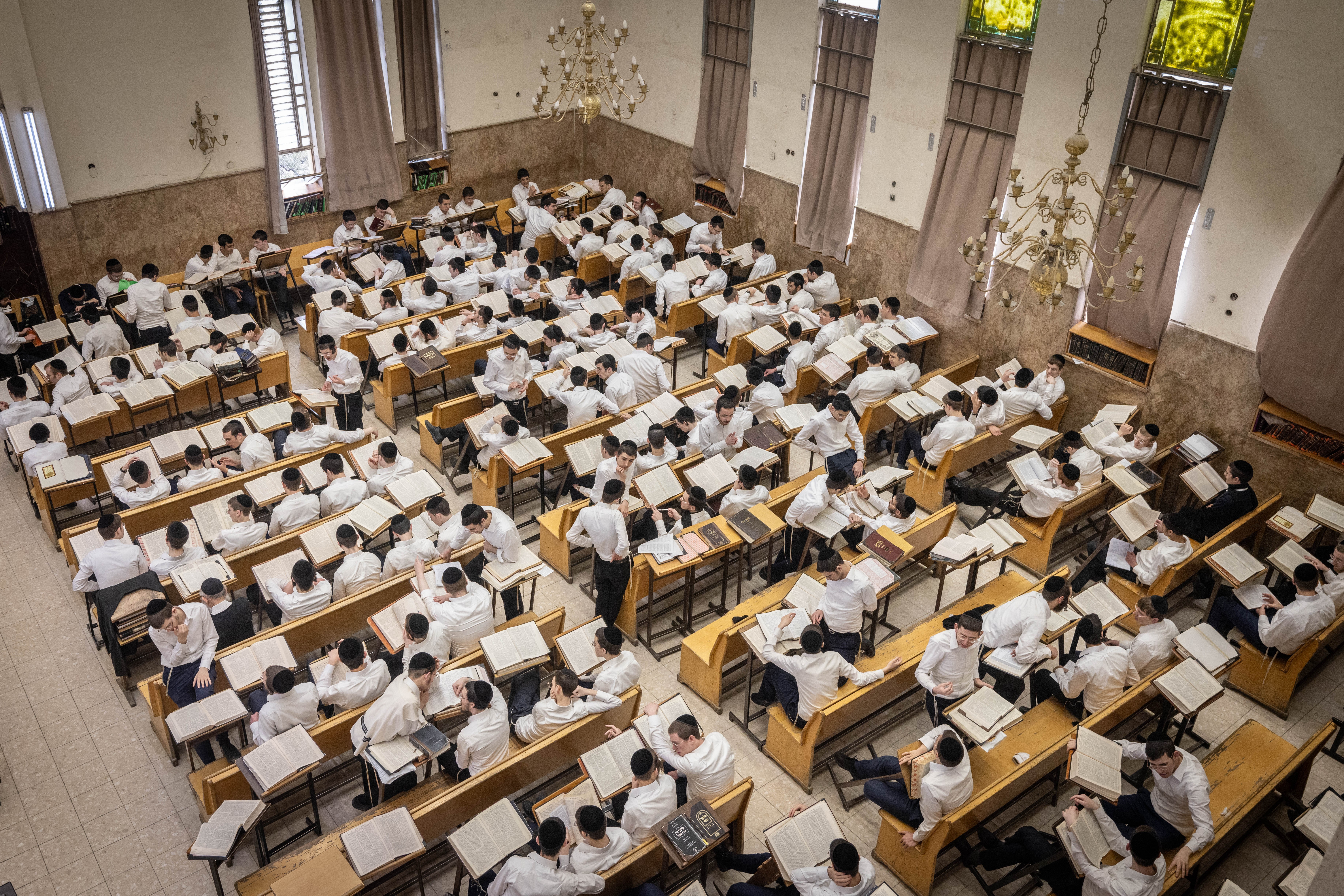
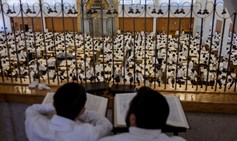
This study was designed to assess the level of satisfaction among students in higher yeshivot (ages 17 and above), their personal and social challenges, and their attitudes toward possible alternatives to yeshiva studies, such as vocational training and employment.
Response to the Government's Proposal for Haredi (non-) Conscription by Yohanan Plesner, President of the Israel Democracy Institute, and Dr. Gilad Malach, Head of IDI's Ultra-Orthodox in Israel Program
What is the connection between the expiration of the conscription law and the budgets for yeshivas? What exactly was discussed in the Supreme Court and is the state in violation of the law? Bottom line, will the ultra-Orthodox be recruited, or not?

Yohanan Plesner, president of IDI and head of the 2012 Plesner committee which sought to implement a model of "service for all," and Dr. Gilad Malach, head of the ultra-Orthodox program at IDI, share their analysis of the rapid increase in the number of yeshiva and kollel students over the past year. 

Internal struggles between factions within the Sepharadic ultra-religious movement Shas are only beginning. The absence of the unifying figure of Rabbi Ovadia Yosef is still sorely felt, and only time will tell whether the rabbinical elite or the Knesset members representing a moderate electorate will gain the upper hand.

The legal basis for deferring military service for Yeshiva students no longer exists, removing legal justification for the transference of funds to religious institutions with students under 26. Funding for Torah study institutions is the most substantial question that needs to be addressed at the current time, when Israeli society is rethinking its relations with the Haredi public. 

Arab-Israeli public officials are being increasingly targeted by criminals, hoping to get their way through threats, extortion and force ahead of Tuesday's local elections. Running for office shouldn't cost people their lives.

In Israel, social borders, political demands and the status of women continue to underscore tensions between liberal democratic values and the conservative, ultra-Orthodox Jewish communities.

How are elections in ultra-Orthodox municipalities different from those in non-orthodox local authorities? Are they comparable to the Arab community? A survey an analysis of the political structure of Haredi local authorities. 

First chapter of six of the 'Statistical Report on Ultra-Orthodox Society in Israel'

Second chapter of six of the 'Statistical Report on Ultra-Orthodox Society in Israel'

Third chapter of six of the 'Statistical Report on Ultra-Orthodox Society in Israel'